Power cuts are still a problem in many parts of India. This is especially true in towns, villages and industrial areas. Because of this, people often look for ways to get power. For a time, diesel generators were the most common way to get backup electricity. Now people are starting to compare solar systems with diesel generators to see which one is better.
Power cuts are still a problem in many parts of India, especially in towns, villages, and industrial areas. Because of this, people often look for reliable ways to get backup power. For many years, diesel generators were the most common option for backup electricity. However, today people are increasingly comparing solar power systems with diesel generators to determine which option is better.
How Diesel Generators Work ?
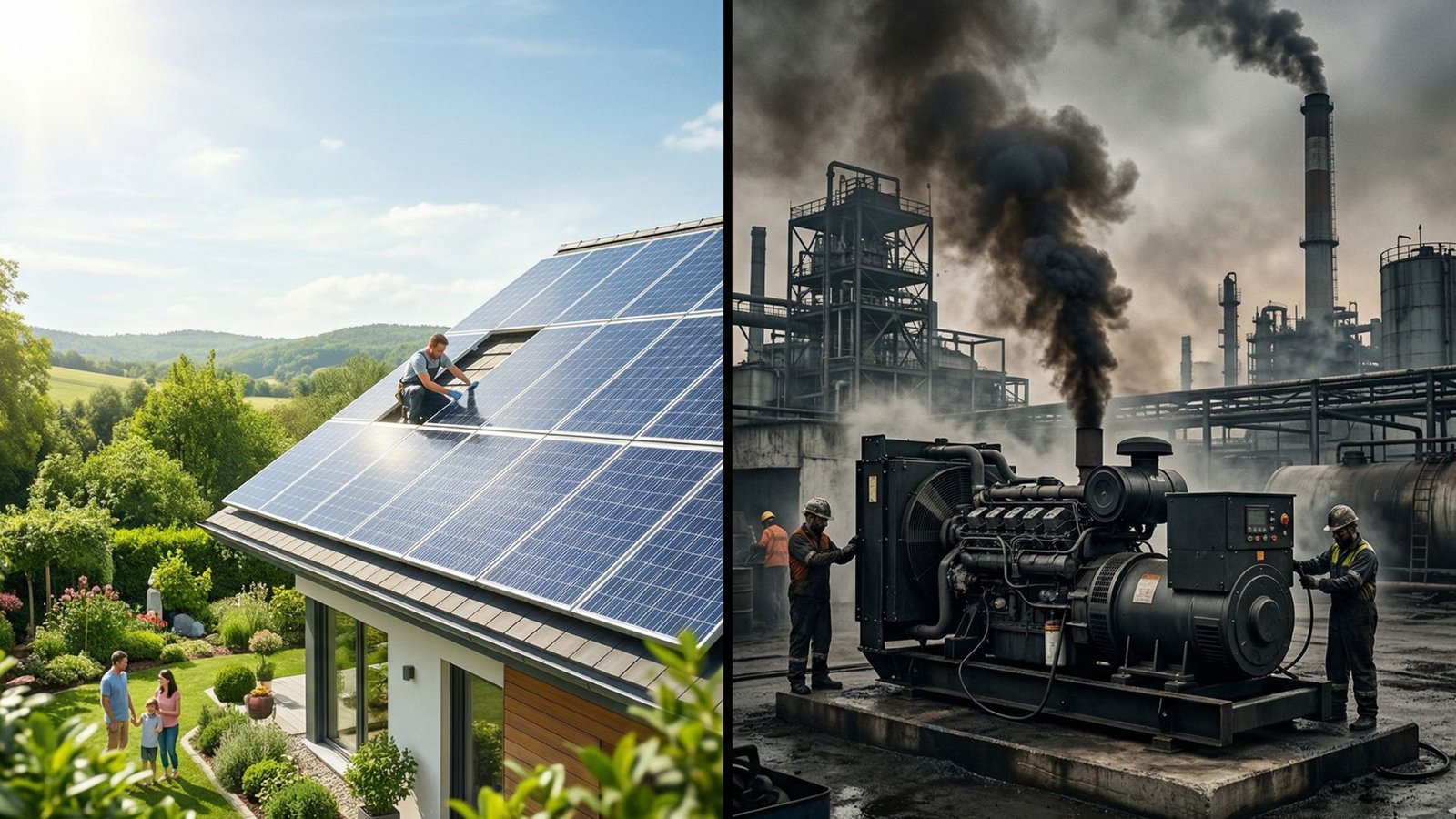
A diesel generator produces electricity by burning diesel fuel. When the power goes out, the generator starts automatically and provides electricity for appliances, machines, and essential equipment. Diesel generators are powerful and can provide electricity instantly. Because of this, they are widely used in factories, offices, commercial buildings, and construction sites where continuous power is necessary.
Disadvantages of Diesel Generators
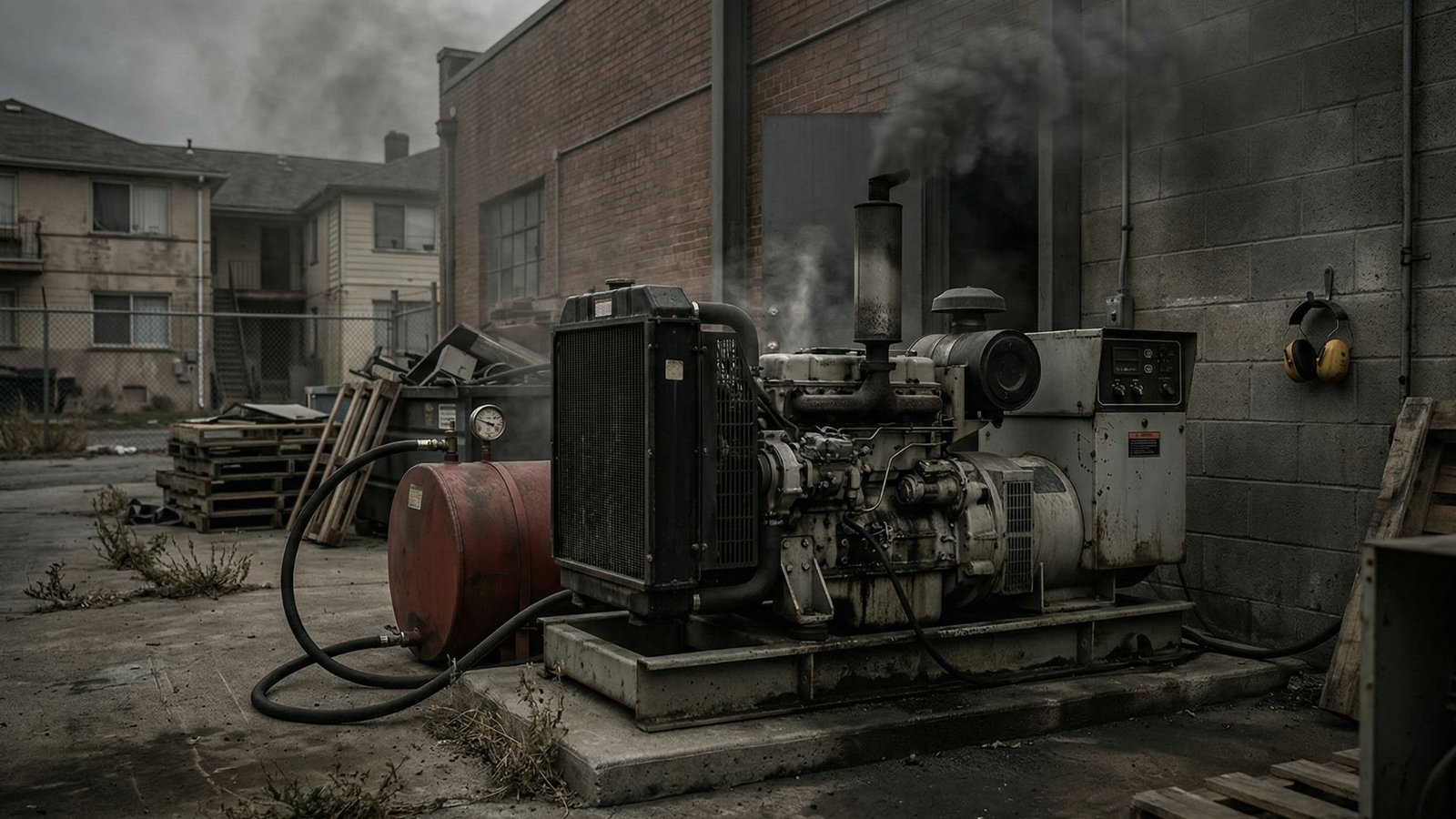
Despite their advantages, diesel generators also have several drawbacks. One major issue is operating cost. Diesel fuel prices continue to rise, and generators consume a significant amount of fuel. This means that every hour the generator runs adds to operational expenses. Diesel generators also require regular maintenance. The engine must be serviced, oil must be changed, and parts may need replacement over time. Without proper maintenance, the generator may stop working or perform inefficiently. Another problem is pollution. Diesel generators produce noise, smoke, and harmful emissions, which can affect both people and the environment.
How Solar Power Backup Systems Work
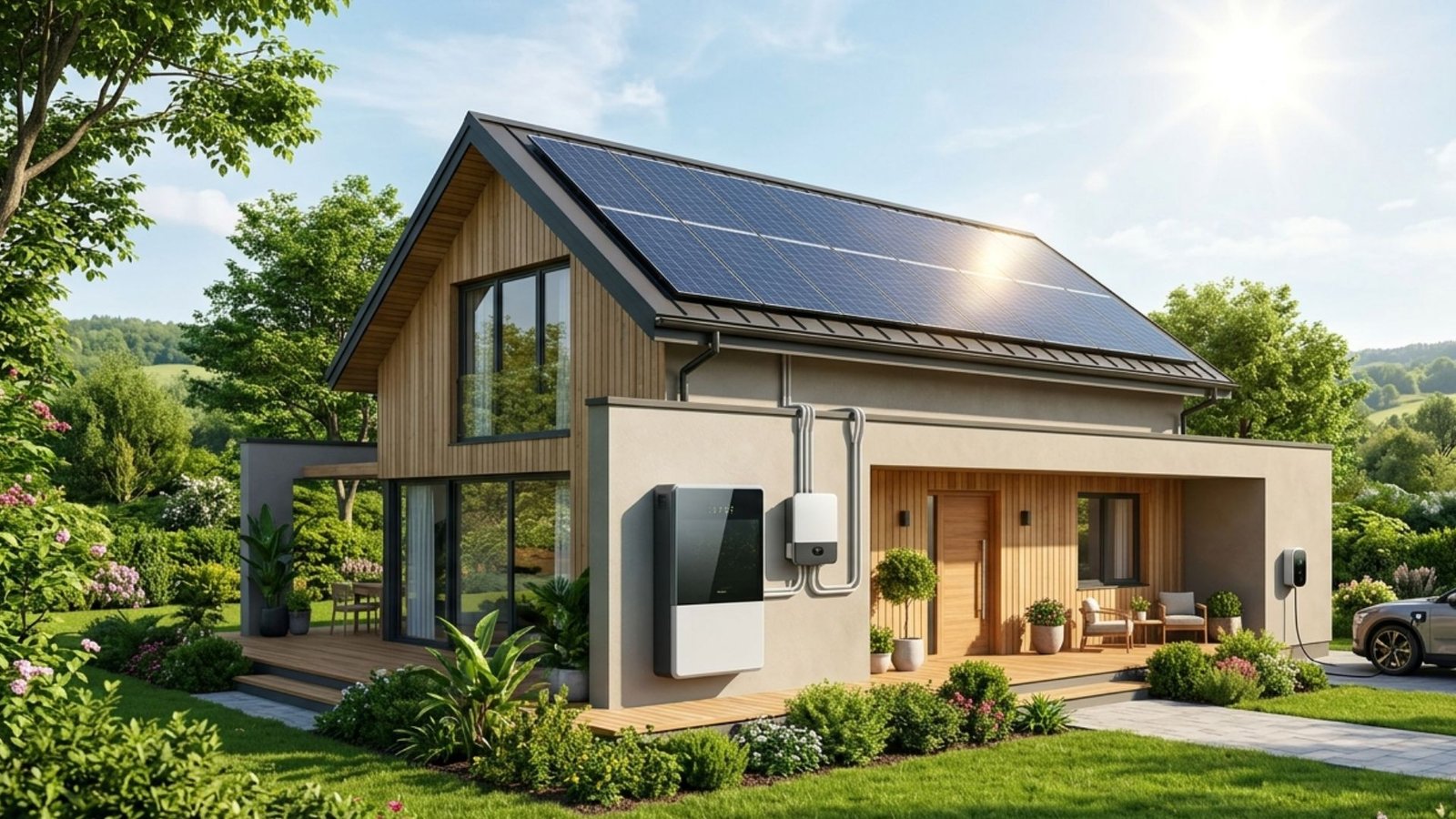
Solar power systems work differently. They use solar panels to capture sunlight and convert it into electricity. When combined with battery storage, solar systems can store energy during the day and use it at night or during power outages.
Advantages of Solar Backup Systems
One of the biggest advantages of solar backup systems is that they have very low running costs. After the initial installation of solar panels and batteries, sunlight becomes the primary energy source, which is completely free. Solar systems also require less maintenance compared to diesel generators. There is no engine, fuel, or oil involved, which reduces the need for regular servicing. Another benefit is that solar power is environmentally friendly. Solar systems generate electricity without burning fuel, which means there is no smoke, noise, or pollution. Solar systems are therefore an excellent option for homes, schools, hospitals, and offices that require clean and quiet energy solutions.
Cost and Long-Term Savings
Solar power systems can also help save money in the long run. Solar panels typically last more than 25 years. While batteries may need replacement after several years, the overall cost of running a solar system remains much lower than continuously buying diesel fuel.
Limitations of Solar Systems
Solar power systems do have some limitations. They rely on sunlight to generate electricity, which means batteries are necessary for storing energy for nighttime or emergency backup use. Additionally, the initial installation cost of solar panels and batteries may be higher than purchasing a diesel generator. However, the long-term savings often make solar a better investment.
Conclusion
Diesel generators can provide immediate power during outages, but they are expensive to operate, require regular maintenance, and contribute to environmental pollution. Solar backup systems may have a higher initial installation cost, but they offer clean energy, lower running expenses, and long-term financial savings. For many people and businesses today, solar power is becoming the smarter and more sustainable choice for backup electricity.